
 English
 Tiếng Việt
Advanced efficiency in product recycling by using suitable conveyor belt materials
Advanced efficiency in product recycling by using suitable conveyor belt materials
We all believe that recycling is always beneficial for the environment. After all, how can turning our used and discarded products into something new be such a difficult task? Global recycling facilities are struggling with this issue as costs and energy consumption associated with operating recycling lines are on the rise, making the process less viable. However, what many in the recycling industry fail to recognize is that many of their issues can be addressed by ensuring that they use suitable conveyor belt materials for each application
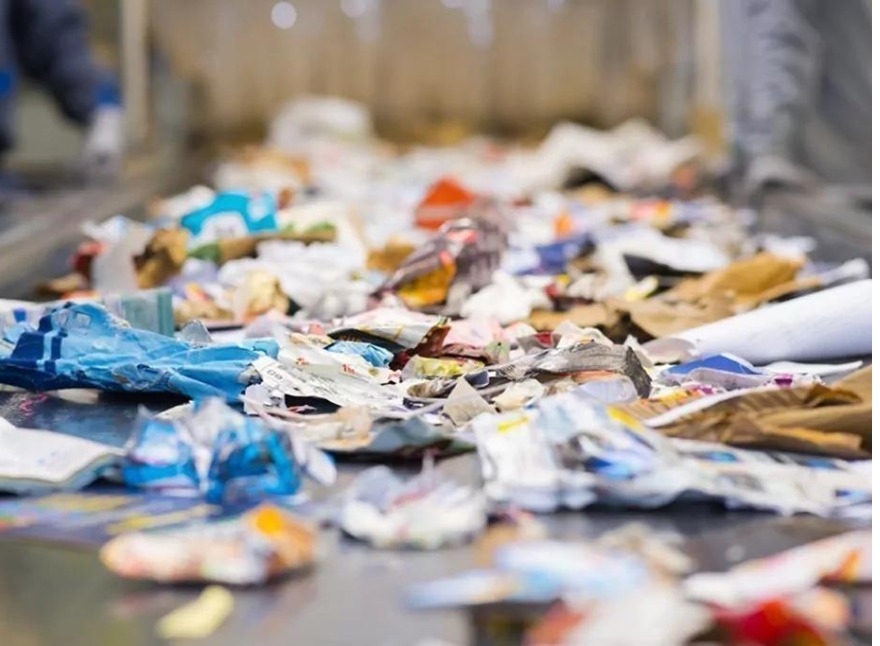
Energy savings by using PVC conveyor belts instead of rubber conveyor belts for lightweight transport products
Polyvinyl Chloride (PVC) conveyor belts are becoming increasingly popular for applications such as spiral separators or conveyor belts in general. PVC conveyor belts are much lighter than traditional rubber conveyor belts and do not require heavy belt structures. They also consume less energy during operation. The lower energy required to operate the system and the lighter conveyor belt construction reduce the continuous operating costs of the facility and reduce carbon emissions, which is becoming an increasingly high priority for many businesses
Although not as durable as rubber conveyor belts, PVC conveyor belts are suitable for transporting materials such as plastic and paper, where there is less mechanical tension on the belt than when transporting materials such as bricks and concrete. However, PVC does not perform well when exposed to sunlight and temperatures below -10°C
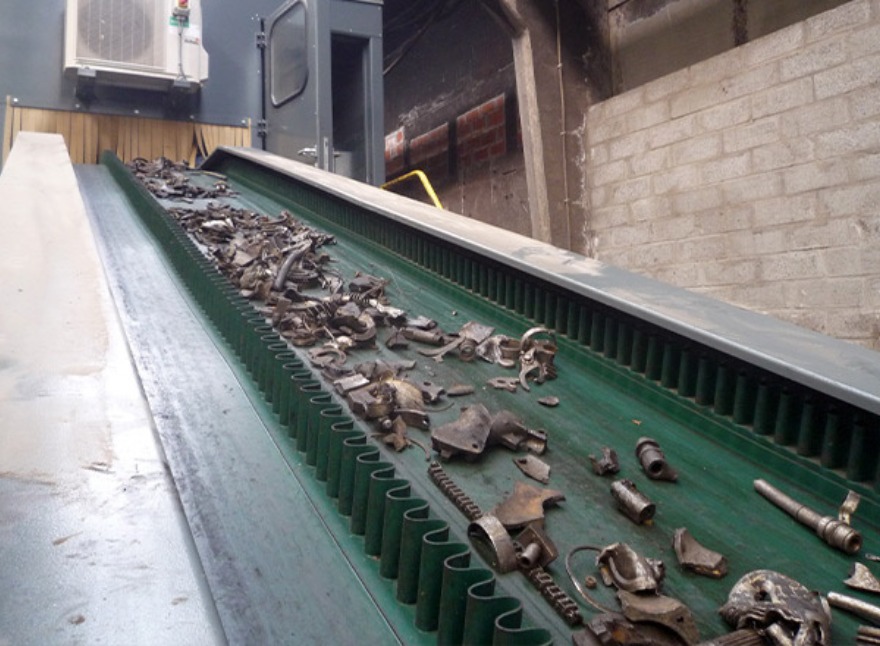
Reduced life cycle costs with TPU conveyor belts
Another alternative solution for rubber and PVC conveyor belts is Thermoplastic Polyurethane (TPU). The cost of purchasing a TPU conveyor belt may be higher than that of a PVC or rubber conveyor belt, but in the long run, the overall cost is much lower.
TPU conveyor belts are lightweight, weighing only half the weight of a rubber belt of the same size, making it easier for larger and faster recycling lines. This leads to lower maintenance and continuous energy costs for TPU conveyor belts compared to rubber conveyor belts. Moreover, TPU conveyor belts are extremely durable and have good resistance to abrasion and cutting, making them suitable for transporting and handling materials that require high durability.
However, TPU belts are not without their drawbacks. TPU does not have the same ability to withstand extremely hot water as PVC. This means that TPU belts may not be suitable for applications related to hot washing, such as the separation of PET plastic films, where they are used to remove fragments or excess labels.
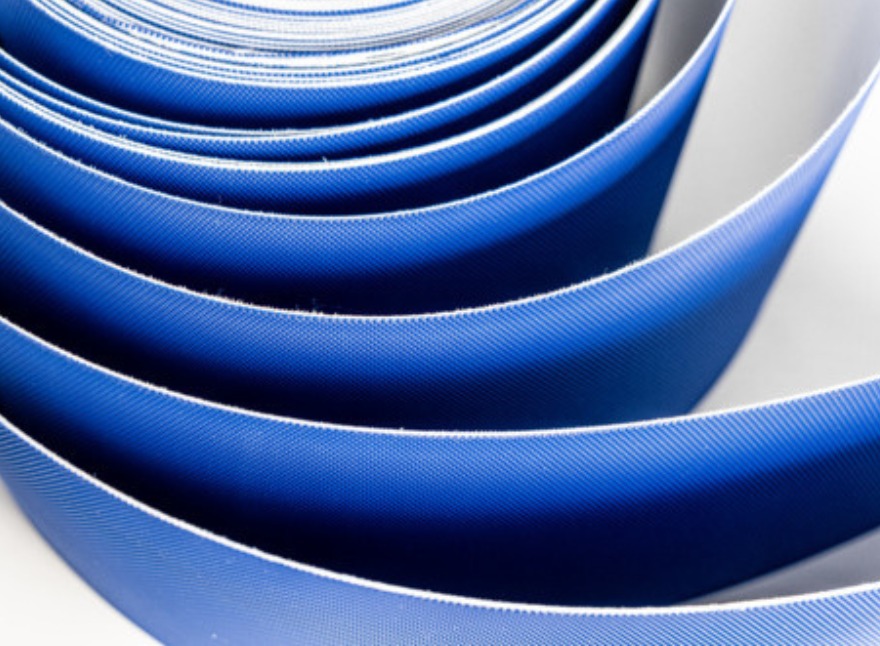
For each type of strap material, there are pros and cons. Please contact MHP, with over 10 years of experience in the industry along with our partners – leading experts in the Recycling Conveyor industry, you can rest assured that we always provide the most suitable solutions for your applications.
View more:https://demo-mhp.thuythu.vn/en/product/food-grade-belts/
CONTACT AN EXPERT
You need advice on solutions, contact (+84) 909 840 002 MHP is always with you!



 View Today :
  Views Last 30 days : 2
 Total Views : 12918